APPARITION
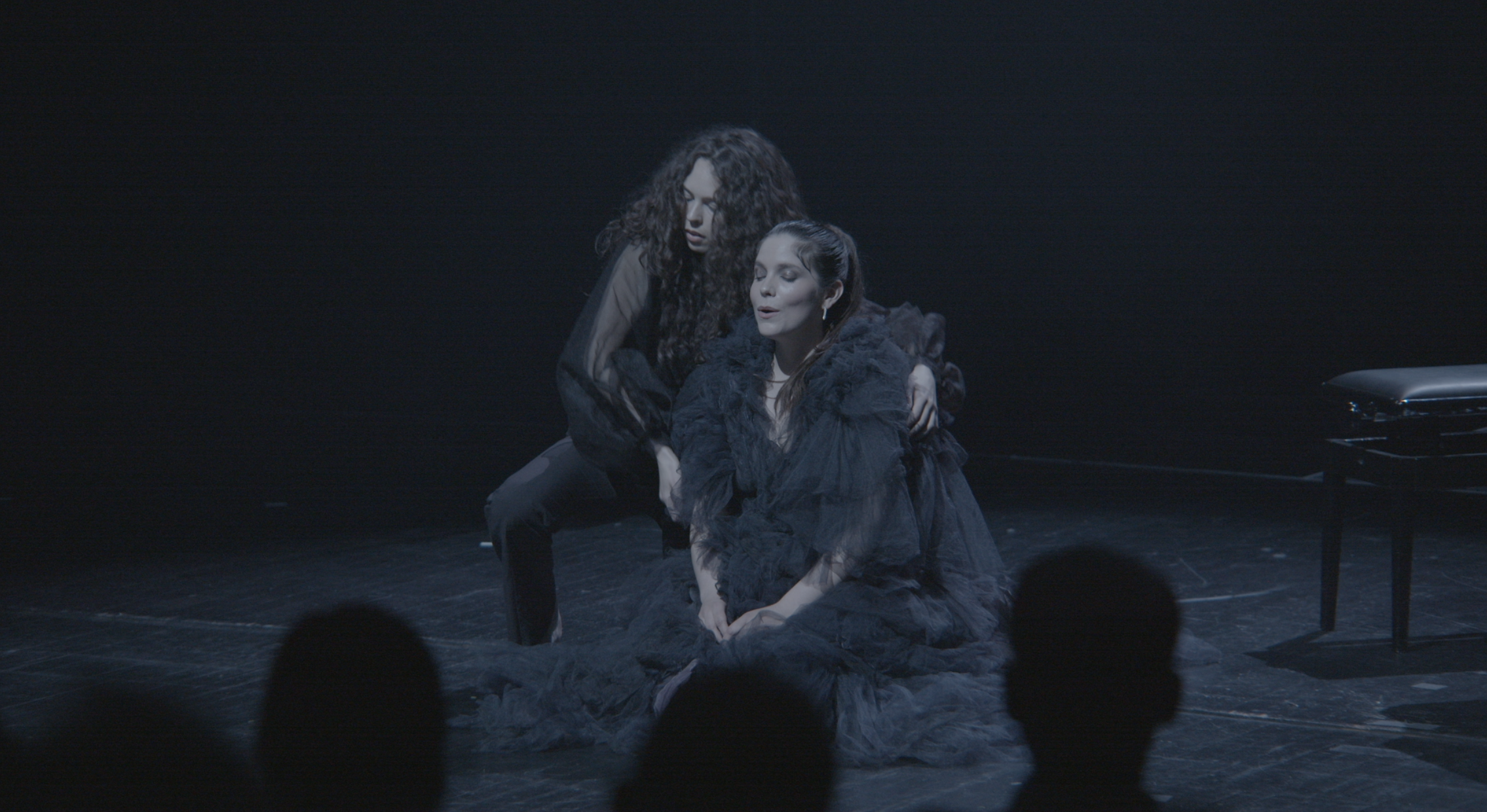
This program invites the listener into a deeply meditative and immersive sound world, where memory, myth, and mortality echo across time. At its core is George Crumb’s Apparition, a cycle composed around fragments of Walt Whitman’s elegy for Abraham Lincoln. George Crumb uses the piano in unconventional ways—sliding fingers across the strings, creating resonant sounds, and adding percussive elements—to create an otherworldly sound. Paired with Nordic songs that reflect on the passing of time, the inevitability of death, and the hope for something beyond. Each piece contributes to this journey, offering moments of calmness and intensity, all within a sound world that challenges and expands our usual expectations of classical music. Together, these works form a tapestry of voices—across centuries, languages, and geographies—all whispering of things half-remembered, half-lost. This is music that does not seek resolution, but rather invites us to linger in the stillness between life and death, night and memory, dream and song.


MIGRATIONS
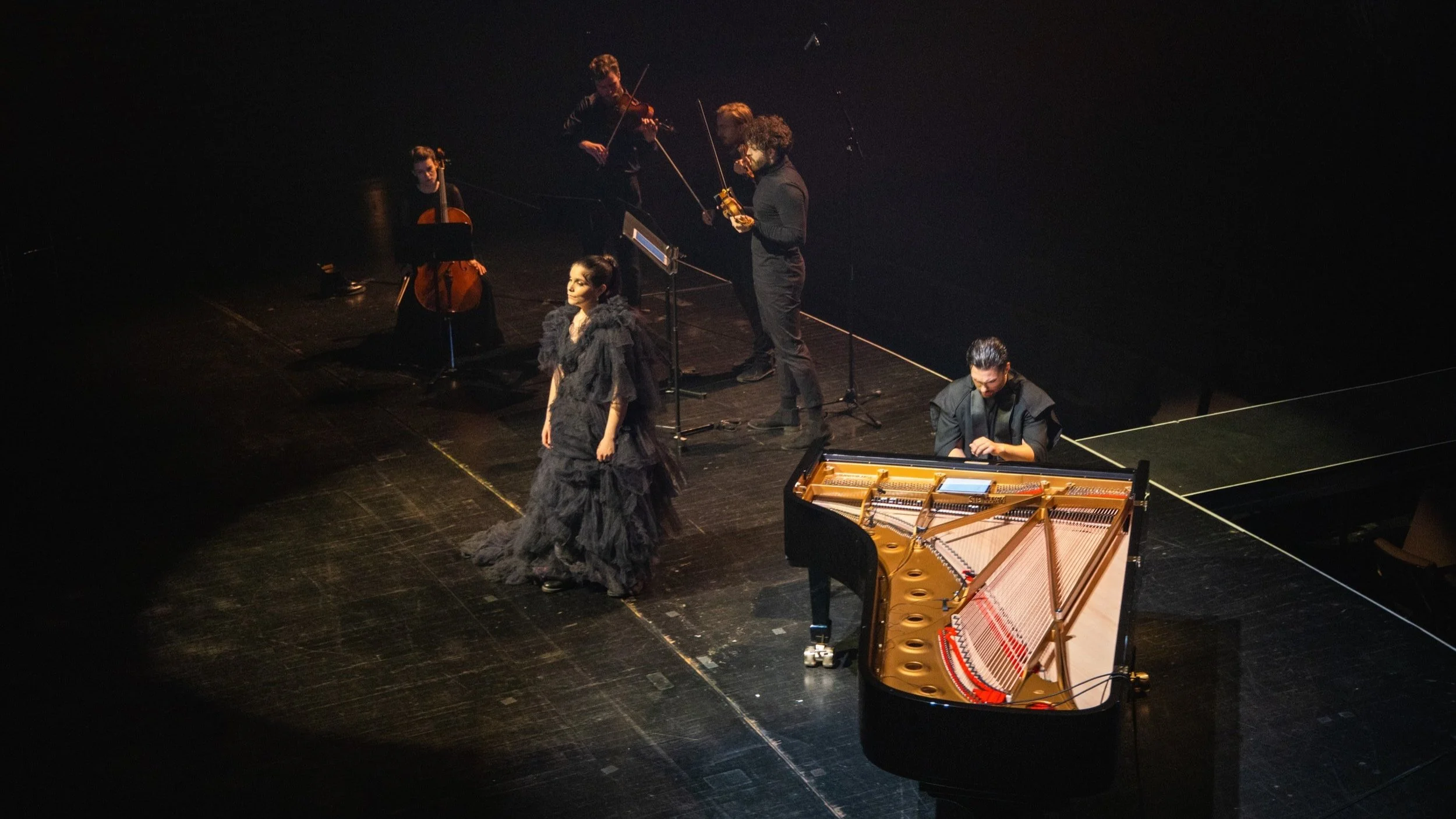
This recital weaves together themes of migration, transformation, and the cycles of nature, using the metaphor of a bird’s journey to explore deeper human experiences. The selections in this program trace the arc of movement—physical, emotional, and spiritual. From the stark landscapes of the north to the warmth of distant lands, these pieces capture the sense of longing and the search for a place to belong. The imagery of birds, often seen as symbols of freedom, becomes a lens through which we examine both the joy of flight and the sorrow of loss. The program also touches on the theme of nature’s cycles—seasons changing, storms passing, and the inevitability of time. The birds’ migrations mirror our own journeys through life’s phases, with moments of reflection, renewal, and realization along the way. ‘Migrations’ is an exploration of movement, not just across physical spaces, but through emotional landscapes. It invites the listener to contemplate the paths we travel, the places we leave behind, and the destinations we seek, both known and unknown.


LADY LAZARUS
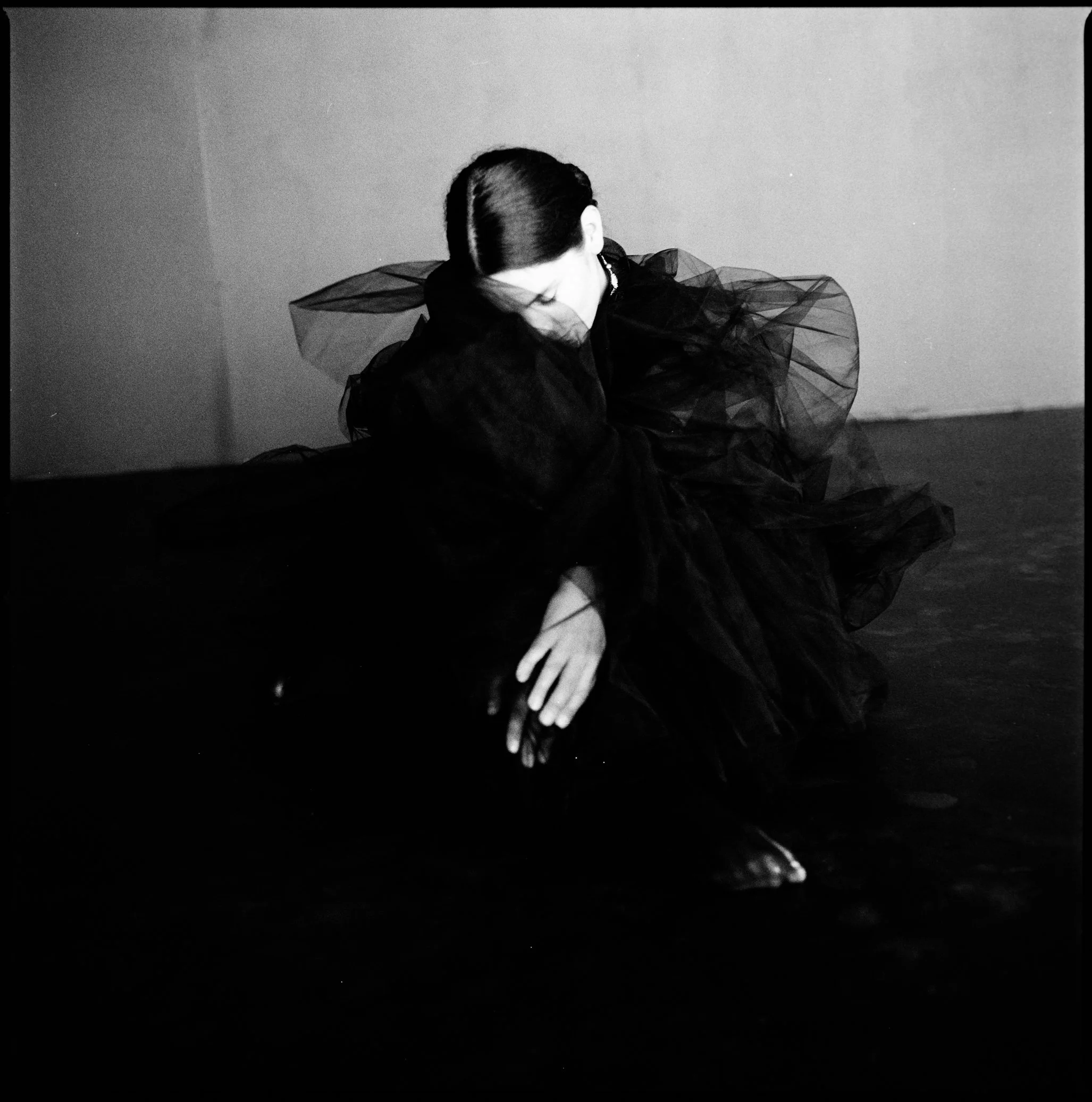
This recital centers on Sylvia Plath's ‘Lady Lazarus’ , set dramatically for solo soprano by Aribert Reimann, and explores themes of resurrection, suffering, and defiance. In Plath's poem, a woman confronts death and rebirth, speaking to the experience of being consumed and objectified, yet emerging stronger each time. The program pairs Lady Lazarus with other classical and folk songs that echo its themes, addressing the struggle against oppression and the quest for freedom. Each song adds depth to the portrayal of a woman’s resilience in the face of overwhelming forces, both personal and societal, highlighting the ongoing battle against the forces that seek to control and define her. The recital ultimately presents a powerful narrative of survival and self-assertion.



IN SEARCH FOR STARS
Together, we embark on a journey through the wonders of the celestial skies, guided by the magic of music in an interactive concert designed especially for children and their families. This experience blends storytelling, imagination, and sound to transport us beyond the everyday and into a world where stars sing, planets dance, and the universe comes alive through melody and rhythm. Along the way, young listeners are invited to participate and discover the beauty of the cosmos through sound. It’s a space where families can connect, children can dream, and everyone can share in the wonder that music brings.


Program concepts conceived by soprano Álfheiður Erla Guðmundsdóttir and pianist Kunal Lahiry.